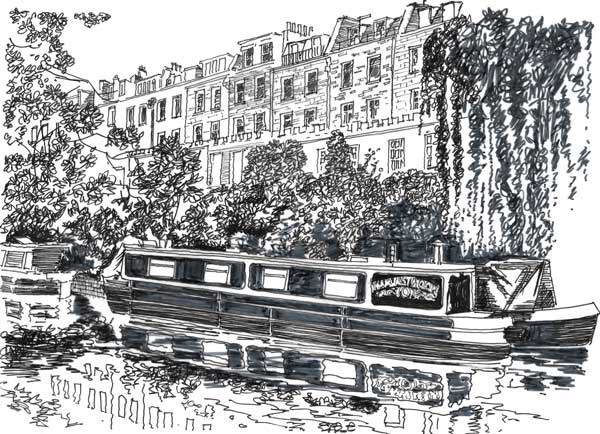
De Beauvoir

Guide to Homes, Schools, Restaurants & Transport In De Beauvoir Town, Islington

De Beauvoir has fast become one of North London's most desirable neighbourhoods, quietly nestled between Islington, Dalston and Shoreditch. Defined by its elegant tree lined streets, grand Victorian homes and an iconic picturesque garden square, De Beauvoir strikes a rare balance between village charm and cosmopolitan living. Despite being close to Upper Street, Dalston, Shoreditch and the City, the area retains an unmistakably peaceful atmosphere with a strong sense of community so much so that several residents are reluctant to leave. 

De Beauvoir Town is a mid-19th-century planned residential neighbourhood spanning the London Boroughs of Hackney and Islington, developed on agricultural land that had belonged to the Guernsey-descended de Beauvoir family since the 17th century. Builder William Rhodes secured a lease on the land in 1821 and drew up an ambitious grid plan of four garden squares, but a lengthy legal dispute saw the estate pass instead to Richard Benyon, a relative who inherited it from Peter de Beauvoir and took the name Benyon de Beauvoir. It was Benyon who developed the estate from the late 1830s onwards, in the more modest form seen today, centred on its single surviving garden square, De Beauvoir Square — the Benyon Estate still manages property in the area. The area's cohesive architecture and rich heritage have been carefully preserved through the De Beauvoir Conservation Area, first designated in 1969, making it one of London's finest examples of Victorian town planning. Today, De Beauvoir continues to attract professionals, creatives and families alike, drawn by its handsome period homes, independent cafés and exceptional location.

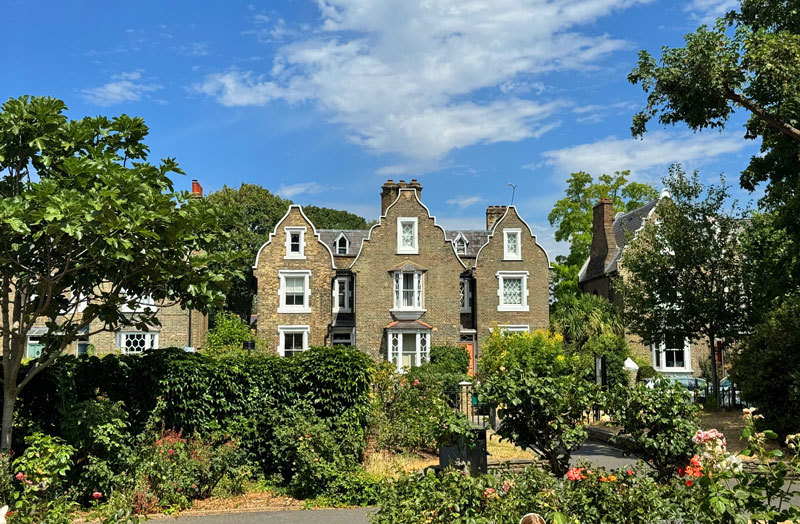
Types of residential property in De Beauvoir

De Beauvoir is renowned for its impressive Victorian architecture, offering an exceptional collection of grand semi-detached villas, elegant terrace houses and charming cottages. Undoubtedly one of the most sought after addresses is De Beauvoir Square which was developed in the late 1830s by the renowned Benyon family. Rich in character, the semi-detached villas surrounding the square were designed in a Dutch style by Robert Lewis Roumieu.
 
In addition, De Beauvoir has an array of fine family homes on streets such as Northchurch Road, Mortimer Road, Englefield Road, Hertford Road and Southgate Road which are particularly sought after.
 
Alongside these substantial family homes are a number of beautifully converted Victorian apartments and a small selection of contemporary developments, providing a diverse range of properties while preserving the area's distinctive architectural character. The abundance of mature trees, wide pavements and attractive period facades gives De Beauvoir an enduring appeal rarely found so close to central London.

Location and transport links

Excellent bus links run to and from the City and central London via Southgate Road, Kingsland Road Essex Road and New North Road. Essex Road Station (which offers direct links to Moorgate) is a short walk away. Furthermore Haggerston Station and Dalston Junction both providing access to the London Overground with direct services to Highbury & Islington, Canada Water, Shoreditch High Street and Clapham Junction are also within easy reach.
 
De Beauvoir is a cyclist’s paradise, with many roads covered to TLN’s (Low Traffic Neighbourhoods) creating serene streets which are a delight to cycle along.

Shopping, eating out and entertainment

On your doorstep are local favourites including Goodbye Horses, The De Beauvoir Deli, The De Beauvoir Arms, The De Beauvoir Wholefoods, Day Trip Coffee, The Dreamery, Sweet Thursday, Trade, The Brave, The Scolt Head and The Baring to name just a few. In the opposite direction is Canonbury, with scenic walks along New River Path and also a wide selection of amenities and local gems such as The Marquess Tavern and The Myddleton Arms.
 
Regent’s Canal, Upper Street, Kingsland Road, London Fields Lido and Broadway Market are all within easy reach. Whether it's fine dining, artisan coffee or lively nightlife, residents are spoilt for choice just moments from home.

Green space and activities

Despite its central location, De Beauvoir enjoys an abundance of green space. The magnificent De Beauvoir Square, with its beautiful rose garden and mature trees provides a beautiful tranquil green space in the heart of the neighbourhood. Also nearby Regent's Canal offers one of London's most picturesque walking and cycling routes, stretching towards Angel, Victoria Park and Limehouse Basin.

Shoreditch Park is also within easy reach, offering expansive open space, sports facilities and children's play areas, while Rosemary Gardens provides a quieter local park popular with families. The area's leafy streets and strong community atmosphere, give De Beauvoir a leafy village feel, make it particularly appealing for those seeking a calmer pace of life without compromising on connectivity.

Schools

De Beauvoir falls within both the Islington and Hackney Local Education Authorities, giving residents access to an excellent selection of highly regarded schools. Well-rated primary schools include Our Lady & St Joseph Catholic Primary School and Hackney New Primary School, while secondary options such as The Bridge Academy and The City of London Academy Islington are all within easy reach. The area's excellent educational offering, combined with its family-friendly atmosphere, continues to make De Beauvoir one of the most sought-after neighbourhoods for growing families. 

Frequently Asked Questions...

Is De Beauvoir a nice place to live?

De Beauvoir is unusual for being a genuinely planned Victorian neighbourhood rather than one that grew up street by street - the grid of houses around De Beauvoir Square was laid out as a single estate, which gives it an architectural consistency you don't often find this close to central London. Combined with low-traffic streets, a strong independent food scene and quick access to Dalston, Shoreditch and Islington, it's earned a reputation as one of the more liveable pockets of North London without losing its village feel.

What is De Beauvoir known for?

De Beauvoir is known for its cohesive Victorian townscape - grand semi-detached villas, terraces and cottages built around De Beauvoir Square in the late 1830s - and for being one of London's best-preserved examples of planned Victorian town planning, protected today by the De Beauvoir Conservation Area.

It is also known for its wide, tree-lined streets, many of which are pedestrianised, making the area a dream for cyclists. De Beauvoir has also become something of an Instagrammer's paradise, with thousands of new posts shared each week.

What is the history of De Beauvoir Town?

De Beauvoir Town was developed on farmland that had belonged to the Guernsey-descended de Beauvoir family since the 17th century. Builder William Rhodes leased the land in 1821 with an ambitious plan for four garden squares, but a long legal dispute saw the estate pass instead to Richard Benyon, a relative who inherited it and took the name Benyon de Beauvoir. Benyon developed the estate from the late 1830s in the more modest form seen today, centred on its single surviving square, De Beauvoir Square.

What are the best pubs, restaurants and cafés in De Beauvoir?

De Beauvoir's best-known spots include Goodbye Horses, a natural wine bar and restaurant; The De Beauvoir Arms, a Victorian corner pub on Southgate Road; The Scolt Head, a long-standing local favourite on Culford Road; and Day Trip Coffee. Nearby Canonbury adds further options including The Marquess Tavern, Myddleton Arms and The Compton Arms.

De Beauvoir is also renowned for its excellent selection of independent delicatessens, offering an outstanding choice of freshly made sandwiches, bagels and artisan produce. Local favourites include The De Beauvoir Deli and De Beauvoir Wholefoods, where weekend queues are a testament to their enduring popularity.

What schools are near De Beauvoir?

De Beauvoir falls within both the Hackney and Islington Local Education Authorities. Highly rated primary schools nearby include Our Lady and St Joseph Catholic Primary School and Hackney New Primary School, both rated Outstanding by Ofsted, while secondary options include The Bridge Academy and City of London Academy Islington.

How do you get from De Beauvoir into central London?

De Beauvoir has excellent transport links: Essex Road station (which is a just outside of De Beauvoir) offers direct services to Moorgate, while Haggerston and Dalston Junction, both on the London Overground, provide direct connections to Highbury & Islington, Shoreditch High Street, Canada Water and Clapham Junction. Multiple bus routes also run via Southgate Road, Kingsland Road, Essex Road and New North Road.

What green spaces are near De Beauvoir?

The nearest green spaces are De Beauvoir Square itself, with its rose garden and mature trees; Regent's Canal, offering walking and cycling routes towards Angel and Victoria Park; Shoreditch Park, with sports facilities and play areas; and Rosemary Gardens, a quieter local park popular with families. Albion Square, in neighbouring Haggerston, was laid out in 1844 by William Middleton and remains a delightful oasis in the heart of Hackney. This beautifully maintained garden square provides a peaceful retreat and is an exceptionally popular spot for locals seeking a quiet place to relax and unwind.

Is De Beauvoir part of Islington or Hackney?

De Beauvoir Town sits mainly within the London Borough of Hackney, with the west side of Southgate Road falling within Islington. The whole area shares the N1 postcode with neighbouring Canonbury and Islington.

Why do buyers want to live in De Beauvoir?

A lot of it comes down to the estate's unusual planning history - because the whole neighbourhood was laid out at once around De Beauvoir Square, the streets share a visual consistency that's rare in London, where most areas were built up piecemeal over different decades. That's been reinforced more recently by Hackney's low-traffic neighbourhood scheme, which has made De Beauvoir's residential streets notably quiet for an area this close to Kingsland Road and Shoreditch, and by a wave of independent openings - Goodbye Horses, Day Trip Coffee - alongside long-standing locals like The Scolt Head, which keep the area feeling lived-in rather than gentrified overnight.

Is De Beauvoir a conservation area?

Yes, and its conservation status has a distinctly local backstory. In 1968, residents formed the De Beauvoir Association specifically to stop Hackney Council's plans to demolish parts of the estate for new council housing. The campaign succeeded, and the De Beauvoir Conservation Area was designated the following year, later extended in 1977 and again in 1998. It's one of the more direct examples in London of a conservation area that exists because residents organised to save it, rather than one imposed from above.

What type of buyer is De Beauvoir popular with?

De Beauvoir tends to attract a mix that's slightly different from its neighbours: creative and media professionals drawn by the wine bar and café scene and the cycle-friendly streets, alongside families who want the garden square and the choice of schools across both the Hackney and Islington catchments. It reads as less uniformly "family square" than some comparable Georgian addresses nearby and more a genuine cross-section of who's moving to this part of North London.