Canonbury

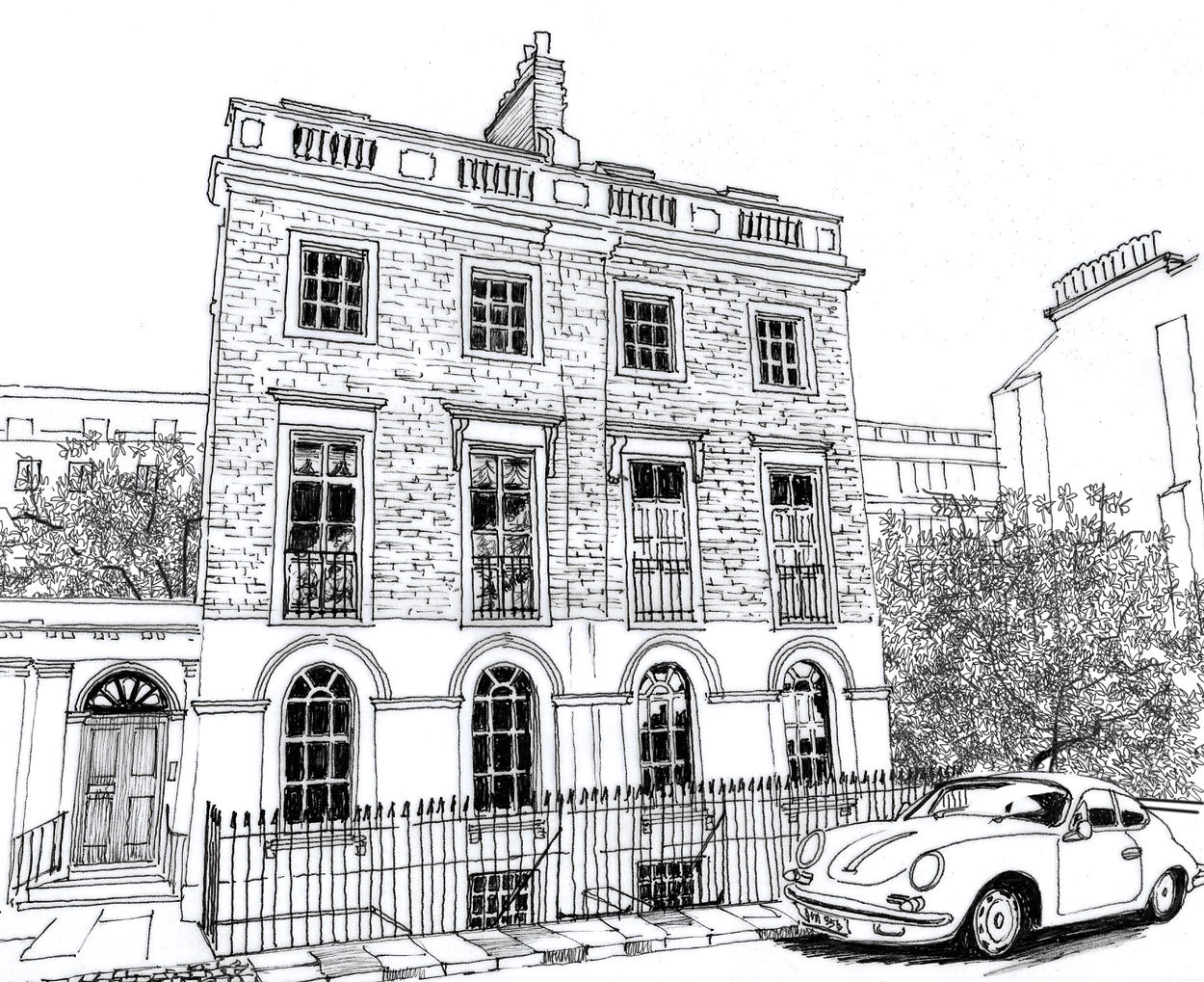
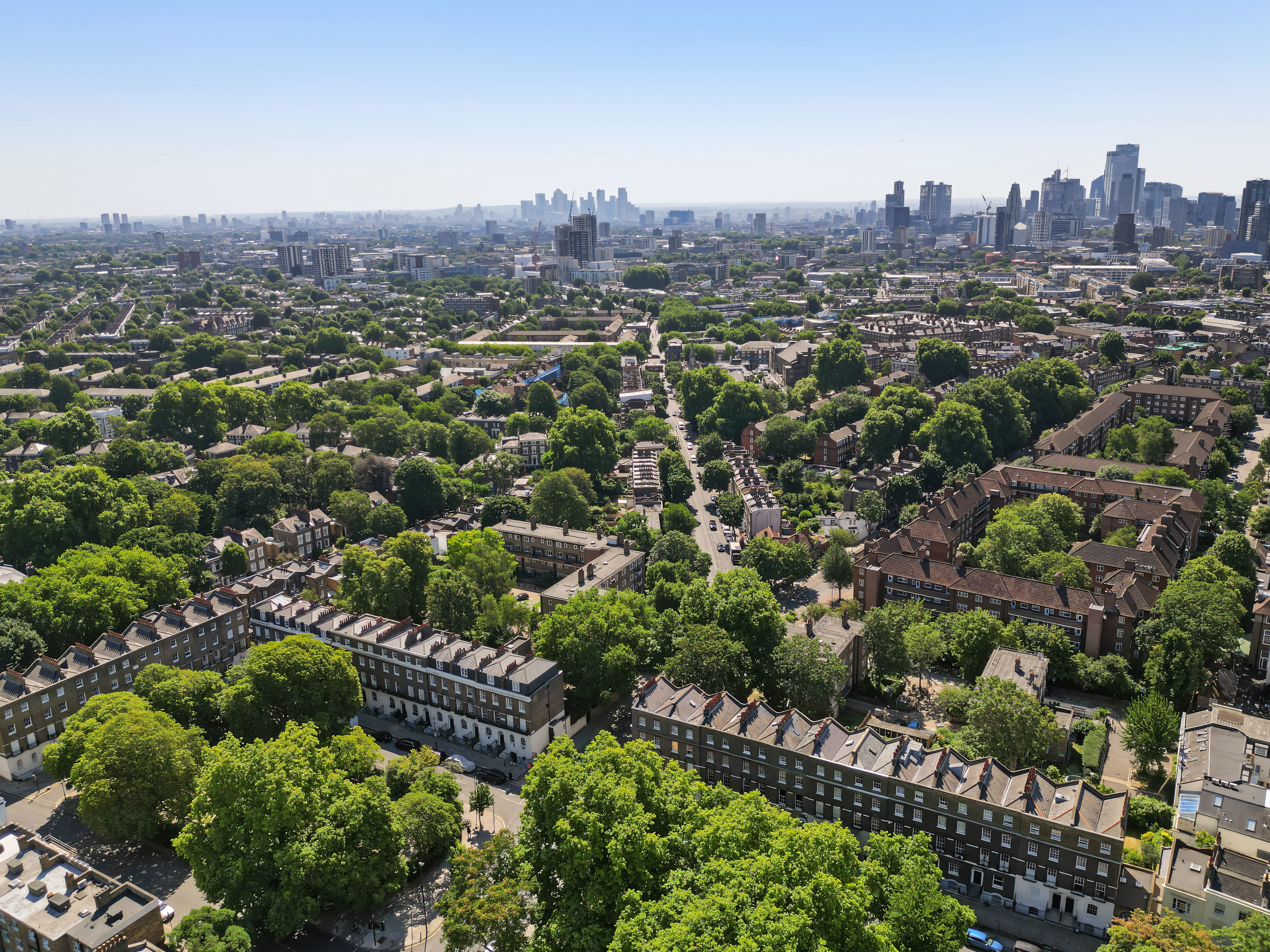
Canonbury is a leafy, residential pocket of Islington, tucked between Essex Road, Upper Street and Cross Street and straddling both sides of St Paul's Road. Known for its elegant period architecture, mature trees and quiet charm, it's home to some of the most desirable properties in Islington. With its tree-lined streets, peaceful squares and strong sense of community, Canonbury feels a world away from the city yet central London, the City and buzzing neighbourhoods like Shoreditch and King's Cross are all within easy reach.
Rich in history, Canonbury is one of Islington's oldest areas, having been established in the 13th century. The most iconic part of Canonbury has to be Canonbury Tower, which dates back to the early 16th century; early owners include Thomas Cromwell, who served as chief minister to King Henry VIII from 1534 to 1540, Anne of Cleves and the Spencer and Compton families. Next to Canonbury Tower is Canonbury House, which dates from circa 1795 and is a fine double-fronted Grade II Listed property, formerly known as Saint Stephen's Vicarage.

Types of residential property in Canonbury

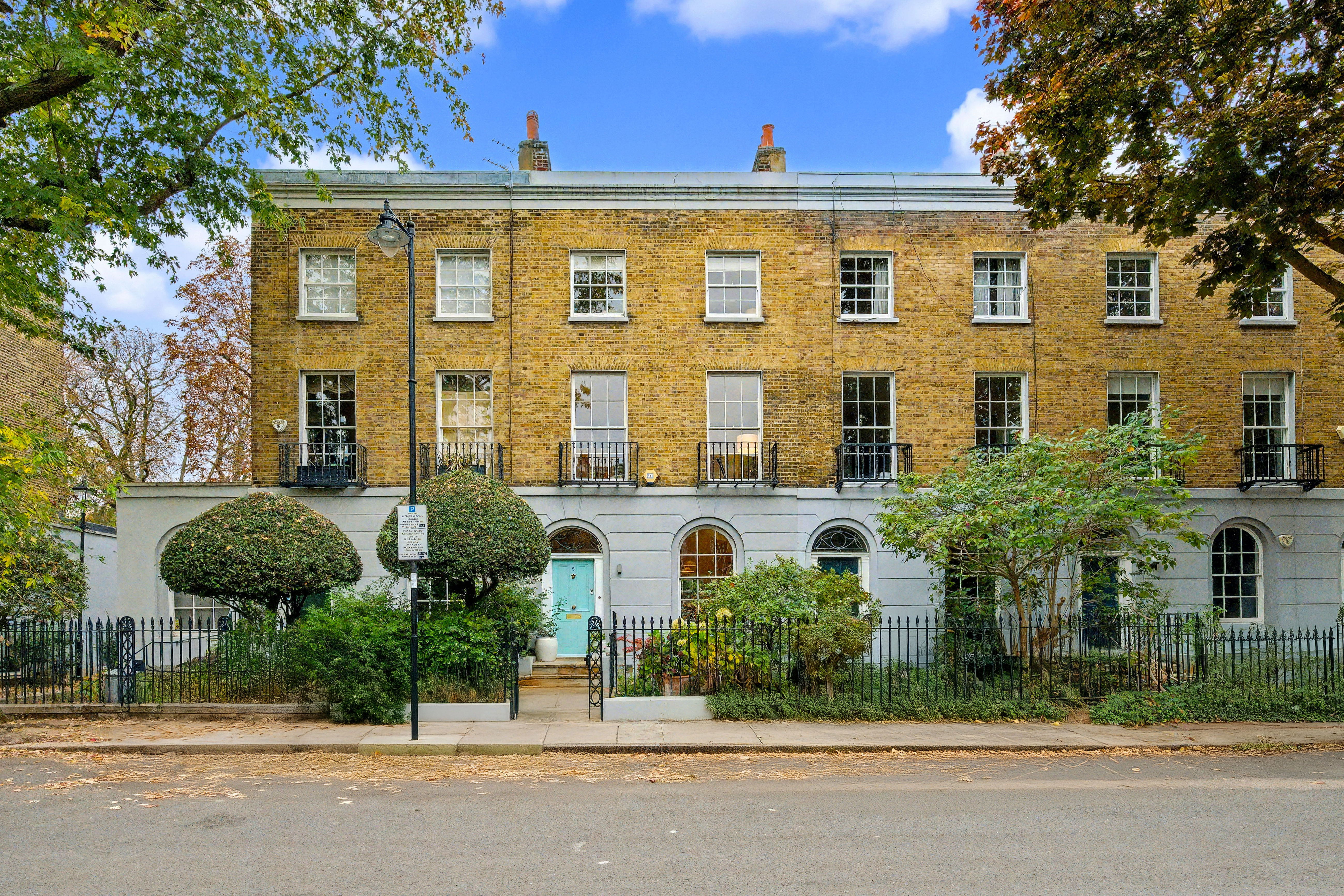
Canonbury is renowned for its generous Georgian and Victorian homes, many of which are still family homes. Some of the area's most prestigious addresses include Canonbury Square, which was first inhabited in 1826 and has long been one of North London's most prestigious addresses. Over the years, it has attracted a number of notable residents, including George Orwell, who wrote parts of his novel 1984 while living there, fellow writer Evelyn Waugh, and Samuel Phelps, the acclaimed actor-manager of Sadler's Wells Theatre. Other highly desirable streets include Canonbury Grove, Alwyne Villas, Alwyne Road and Willow Bridge Road.
Location and transport links

Canonbury's popularity owes much to its excellent connections. Angel (Northern Line) and Highbury & Islington (Victoria Line, Overground and National Rail) are both nearby, while Essex Road station offers Great Northern services with direct links into Moorgate via Old Street.

Multiple bus routes along Essex Road and St Paul's Road provide quick access into the City and surrounding areas.

Shopping, eating out and entertainment

Canonbury offers a wealth of highly regarded gastro pubs and restaurants, with local favourites including The Compton Arms, Trullo, The Canonbury Tavern, The Pocket, The Marquess Tavern and Bistro Sablé, to name just a few. Canonbury also has a real hidden gem in the form of the Estorick Collection of Modern Italian Art, and if you're after some comedy, The Union Chapel is a must, with some of the world's most famous comedians performing there.

Furthermore, Upper Street is moments away, offering a great range of independent shops, delicatessens, bars and restaurants.

Green space and activities

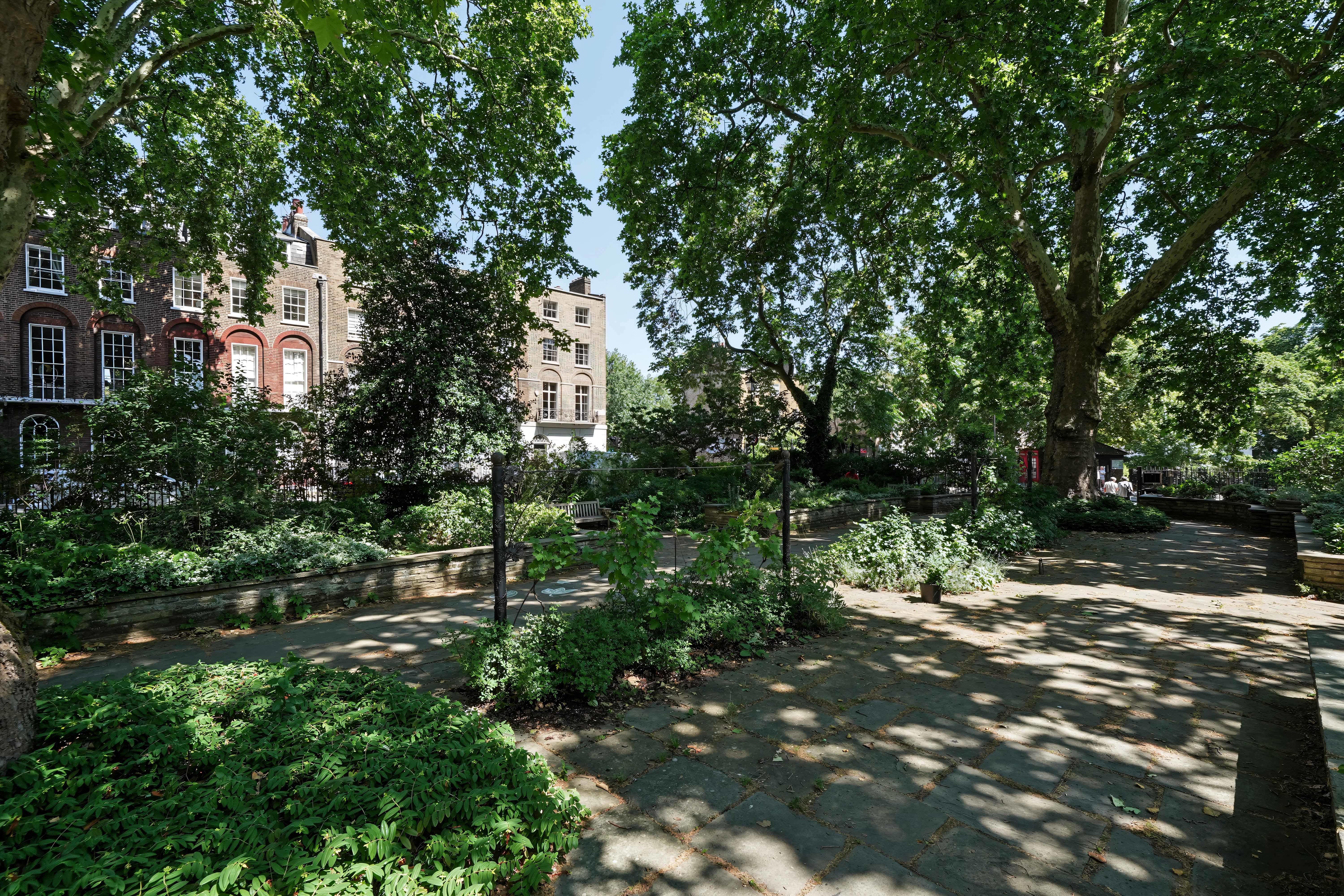
Canonbury benefits from access to several nearby green spaces. New River Path is an idyllic walk and a true tranquil oasis. Canonbury Square is a testament to the strong community spirit, with several residents volunteering their own time to look after the square; they even have their own Instagram account.

Highbury Fields, which admittedly falls under N5 but is on the cusp of Canonbury, is the largest at 11.75 hectares (29 acres) with open lawns, tennis courts and a well-equipped gym at Highbury Leisure Centre.
Local Schools

Canonbury falls within the Islington Local Education Authority and has access to a wide selection of primary and secondary schools, including several rated 'Outstanding' by Ofsted. These include Canonbury Primary School, The New North Academy and nearby St Mary Magdalene Academy, making the area popular with families.

Frequently Asked Questions...

Is Canonbury a nice place to live?

Yes. Canonbury is one of Islington's most sought-after residential areas, known for its Georgian and Victorian architecture, tree-lined streets and garden squares. It offers a quiet, village-like feel while still being within easy reach of central London, the City and King's Cross via nearby Angel, Highbury & Islington and Canonbury stations.

What is Canonbury known for?

Canonbury is known for its well-preserved Georgian and Victorian townhouses, its 16th-century Canonbury Tower - one of Islington's oldest buildings - and its literary history, including George Orwell, who lived in Canonbury Square where he completed Animal Farm and began work on Nineteen Eighty-Four.

What is Canonbury Tower?

Canonbury Tower is a Tudor tower dating from the early 16th century, generally considered the oldest surviving building in Islington. Henry VIII granted the manor to his chief minister Thomas Cromwell in 1539, and later owners included the Spencer and Compton families. The Tower was added onto a manor house built in the early 1500s as the country retreat of the Canons of St Bartholomew’s Priory in Smithfield.

Who has lived in Canonbury Square?

Canonbury Square, first inhabited in 1826, has been home to several notable residents, including George Orwell, who lived at 27b Canonbury Square between 1944 and 1947 while finishing Animal Farm and starting Nineteen Eighty-Four; fellow author Evelyn Waugh; and Samuel Phelps, the actor-manager of Sadler's Wells Theatre.

What are the best restaurants and pubs in Canonbury?

Canonbury's popular food and drink spots include The Compton Arms, a historic pub once frequented by George Orwell; the Grade II listed Canonbury Tavern, known for its Sunday roasts; the recently renovated Marquess Tavern; Trullo; The Pocket; and Bistro Sablé, which relaunched as a classical French restaurant in late 2025. Upper Street, just moments away, adds a wider range of independent shops, bars and restaurants.

What schools are near Canonbury?

Canonbury falls within the Islington Local Education Authority and has several highly rated schools nearby, including including St Mary Magdalene Academy, William Tyndale, Canonbury Primary School and The New North Academy.

How do you get from Canonbury into central London?

Canonbury has excellent transport links: Angel, Highbury & Islington and Canonbury stations all serve the area, with Essex Road providing Great Northern services to Moorgate via Old Street.  Multiple bus routes along Essex Road and St Paul's Road provide additional quick access into the City.

What green spaces are near Canonbury?

The nearest green spaces are the New River Path, a quiet walking route through the area; Canonbury Square's own communal garden, maintained by volunteer residents; and Highbury Fields, Islington's largest park at 11.75 hectares (29 acres), just over the border in N5.

Is Canonbury part of Islington, and what postcode is it in?

Yes - Canonbury is a residential neighbourhood within the London Borough of Islington, sitting mainly within the N1 postcode, centred around Canonbury Square between Upper Street and Essex Road.

Why do buyers want to live in Canonbury?

Buyers are consistently drawn to Canonbury for its combination of period character, quiet tree-lined streets and easy access to central London - a mix that has kept demand for the area consistently strong for decades. Its Georgian and Victorian housing stock, garden squares and closely protected conservation status mean the area's character, and its appeal, has stayed remarkably consistent even as surrounding parts of Islington have changed.

Is Canonbury a conservation area?

Yes. Canonbury Conservation Area was first designated in 1969 and extended in 2001 — one of the reasons its Georgian and Victorian streets have kept their character so consistently over time. Its protected status does mean planning permission is required for some alterations that would be unrestricted elsewhere, which is worth checking with the council for any specific renovation plans.

What type of buyer is Canonbury popular with?

Canonbury appeals to a broad range of buyers: families drawn to its garden squares, well-regarded schools and generous family homes, and professionals and downsizers drawn to its quieter, village-like feel within easy reach of the City and Shoreditch. This mix of appeal is part of why demand for the area tends to hold up across different market conditions.